From 1st – 21st July 2019 Stagecoach are asking members of the public to give their views on their Guided Busway services. Fill out the survey and give them your thoughts and views. If you take part you could WIN one of three £50 Love2shop gift vouchers! Click here to take part in the survey.
Please note that any advertisements which appear in association with these posts are not indicative of any endorsement by Cambridge Area Bus Users. They are placed there by a WordPress algorithm.
One of the commonest complaints which we receive is about ‘vanishing’ buses. Jim Chisholm’s recent tweet is a good example.
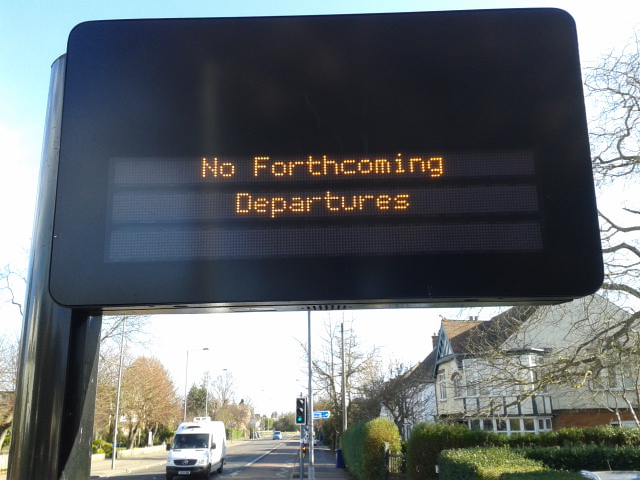
Waited over 30 mins for No7 bus with sign just giving TT times but no arrivals. Eventually DROVE to Addenbrooke’s as outpatients appointment. We used to have a bus every 10 mins. Without an effective bus service to necklace villages, local roads will be blocked by private cars. https://t.co/8eegf6oPJi
This information is in two related forms – a timetable database, supplied to Vix Technology, and the bus driver’s duty logged into the (location-tracking) ticket machine which enables Vix to identify that bus as operating that section of the timetable.
Most of the displays are of predicted arrival times – ‘Real-Time Passenger Information’.
How does RTPI work? The bus is fitted with a tracking device in order for the RTPI system to know where it is. The system calculates how long it will take to arrive at each of the stops along the bus’s route. Using satellite technology the system then communicates the bus information to a display at the bus stop. The display shows when the bus is due to arrive.
However, where the system has not detected a bus in operation, the timetabled departure is currently displayed.
As Jim noted: “… sign just giving TT times but no arrivals.”
When no bus is detected, there may be a fault in the system, or the bus may not yet have left the depôt to enter service.
The most common reason, however, is that the bus has been cancelled (possibly owing to driver shortage, or a breakdown). The unfortunate waiting passengers will see a 10:15 departure displayed. When 10:16 arrives the advertised departure disappears.
Another cause of errors is when buses are diverted because the road is closed (perhaps blocked by a road traffic accident). Buses will be detected approaching the diversionary route; the display will show their imminent arrival. Currently, the ‘stop suspended’ display depends on a telephone call from the bus operator.
On Wednesday 7 November 2018, two of Cambridge Area Bus Users’ Executive Committee, together with Mike Sargeant, City Councillor for West Chesterton, and Lucy Nethsingha, Cambridgeshire County Councillor for Newnham, met with two of the Cambridgeshire County Council’s Passenger Information team.
The team report:
“The latest update on Service Cancellation is that all the Local Authorities in [the] consortium are ready to go and are now waiting for Stagecoach Group’s IT department to allow software update/connection. All operators and Local Authorities agreed on the way that cancellation will be displayed on the screens and Stagecoach Group is happy with it, especially considering that all costs are being covered by the consortium.
“All displays and software at the Council end [have been] upgraded and [we are] just waiting for Stagecoach Group to sign it off and agree dates for installations on their end. Basically a different feed is needed to send cancellations for displays than just the real time information.”
This should mean improved (real RTPI) accuracy for the display boards and the MyBusTrip app.
Cancelled journeys will still show on the electronic screen, with a message CANCELLED next to service number.
Cambridge Area Bus Users Executive Committee would like to put on record our thanks to the Cambridgeshire County Council Passenger Information Team, for working on these improvements.
Come on Stagecoach – now it’s time to do your bit!
I spoke to Andy Campbell last night [26/11/18] and he was not aware of the software improvement and that the ball was in Stagecoach’s court.
Cambridgeshire County Council’s Passenger Information team confirmed that Campbell will be with County Officers on Friday [30/11/18], that this matter is on the agenda, and that the county’s contractors, Vix Technology, are liaising with Stagecoach Group to set the dates for necessary works.
Update 05/03/19 We understand, that, in connection with this development – removing cancelled buses from the electronic information displays at bus-stops and on the MyBusTrip app – Cambridgeshire County Council’s contractors, VIX were chasing Stagecoach for a year; that there were issues within Stagecoach’s Project team, including redundancies; and that, whilst Stagecoach have now signed off the software upgrades, timescales for implementation are March/April 2019 plus testing phase.
Do Stagecoach East understand that waiting for a bus that doesn’t exist will put people off using buses and get them back into their cars? A lack of prompt action to bring the most accurate, most up-to-date information can cut ridership.
This is bad for those reliant on buses, for congestion and air pollution. Will it not also cut Stagecoach East’s profits, and have repetitional damage?
Time for new Managing Director, Michelle Hargreaves to get a grip on this. And time for Cambridgeshire and Peterborough Combined Authority’s Mayor James Palmer to request an urgent meeting. Former MD, Andy Campbell made a strong case against Mayor Palmer exercising his devolved powers of bus franchising under the Bus Services Act 2017. If Stagecoach East want to work in partnership with local authorities, they must do their bit. Urgently.
Mostly sorted, but…
Update 16/05/19
Stagecoach have adjusted their systems to interface, with the Vix database, so that cancelled services will not show on RTPI displays, implying that most RTPI issues have now been resolved, although failings can still take place through individual bus ticket machines not being correctly interfaced and through human error.
Stagecoach told us that they track their own services in order to log timekeeping but use a different interface. They are of the opinion that the Vix algorithm for predicted arrival needs improvement.
Where should Cambridgeshire County Council instal more?
There is some limited funding for new Real Time Passenger Information displays at additional bus stops. Cambridge Area Bus Users were contacted for advice on where they might provide the greatest benefit.
I am working on Real Time Passenger Information Project across Cambridgeshire. I was wondering if you would be able to provide a list of some sort that would indicate bus stops in Cambridge, that you believe would benefit a lot from RTPI displays?
Of course it would be amazing to upgrade all bus stops, but that is just not feasible due to our funding restrictions. However, I thought that I would get in touch with you to see what is the demand, in which areas of Cambridge rather than guesting and planning something that people may not benefit from.
Zaneta, Real Time Passenger Information Project Officer
We couldn’t provide a comprehensive list, but you could.
Get in touch, by email, to tell us what you think, and we will pass on your suggestions.
But do make sure that you provide clear information on which stop you mean.
Stop name and location
Bus service(s) using the stop and operator
Towards (destination)
For example…
Strangeways Road, Queen Edith’s Way
Stagecoach citi 1
Towards Addenbrooke’s
Additionally, you could give your reasons for this being a priority.
We think that the time for the widespread adoption of Bus Open Data, is overdue.
The aim of bus open data is to provide greater convenience for travellers and to facilitate bus use. This will deliver benefits to operators, who have seen falling demand in some areas over recent years. It will also help local authorities with planning of public transport provision, and enable new business models and innovation by opening data up to anyone who needs it. This includes app developers, who can develop products for passengers to help with journey planning.
The Government is working with industry to pursue open data. A key part of this is the Bus Services Act, which came into force in April 2017. This enables Government to set legislation which will require information from all bus operators on timetables, fares and routes.
The way we travel is undergoing profound changes. On-demand services and real-time journey planners are empowering consumers to make the best choices for their needs and circumstances, saving them time, hassle and money. This is being enabled by open data – data that is available to everyone to access, use and share.
In the longer run, the DfT expect open data to enable the full range of transport services to be fully integrated, through ‘mobility as a service’, allowing seamless payment and booking, and greater choice and convenience. Bus services will need to feature in this transport future. They already play an important part in the transport system, providing access to services in local communities, and offering economic, environmental and social benefits.
Please note that any advertisements which appear in association with these posts are not indicative of any endorsement by Cambridge Area Bus Users. They are placed there by a WordPress algorithm.
The Strategic Bus Review report (PDF 2.6 MB) published Wednesday 23rd January 2019, was commissioned by the Cambridgeshire and Peterborough Combined Authority. It was welcomed by Mayor James Palmer as “an opportunity to inject strategic leadership and a more integrated approach to the bus network across the area.” [Press release]
The Strategic Bus Review report was at point 3.1. of the Agenda (PDF 7.5 MB) for the Cambridgeshire and Peterborough Combined Authority meeting on Wednesday 30th January 2019.
The findings of our strategic bus review, published today, gives @CambsPboroCA the opportunity to explore options for radical reform of our whole bus network. The system isn’t working and we need change. 1/3
We want a bus network that will be model for others to follow. Our Board meets on January 30 to decide the next steps, including a recommendation to develop a business case for a step-change, which includes exploring franchising and enhanced partnerships. 2/3
The business case would take about two years. We need time to develop a robust case that ensures that we have a sound basis for any step-change. In the meantime there is an opportunity to create a bus taskforce of local partners to start delivering improvements quickly. 3/3
To deliver early-stage improvements, the report will recommend to the Board the setting up of a cross-organisational bus reform group. This taskforce would involve Peterborough City Council, Cambridgeshire County Council, and the Combined Authority. The taskforce would consider the findings of the review and develop a brief to serve as a basis for engagement with bus operators to improve services.
Whilst we welcome the publication of this report, Cambridge Area Bus Users are concerned that this represents a two year delay before any reform of bus services. And there will be two-year period of putting together a ‘business case’.
In the medium/longer term there are complex, strategic projects to be put in place. There is, however, a need for urgent action. It is no exaggeration to say that local bus services are in crisis – particularly in the rural areas. How effective – and focussed – will the “cross-organisational bus reform group” be? Will it simply generate a set of ‘talking-shop’ meetings?
Would focused task groups, funded and staffed to deliver specific projects be more appropriate? There is urgent need for multi-operator ticketing, tickets (short of day tickets) which permit change of buses, reform of zonal charges – living an additional half-mile from the inner Cambridge zone can increase your weekly travel cost from £15 to £25 – and for re-planning of many bus routes.
Cambridge Area Bus Users submitted a question to Mayor Palmer.
“Cambridge Area Bus Users welcomes the publication of the Cambridgeshire and Peterborough Combined Authority’s strategic bus review, almost two years after the first official Combined Authority meeting.
Our group support Mayor Palmer’s aspirations for integrated multi-mode public transport, with roles for conventional rail, guided light transport, sub-surface and conventional buses.
Passengers, however cannot ride on aspirations and there is, currently, a crisis in local bus services.
What improvements to bus services will you implement within six months?
What improvements to bus services will you implement within one year?
What improvements to bus services will you implement within two years?
What improvements to bus services do you envisage thereafter?
Our secretary referred to the “glacial pace” or reform compared to “crisis” in bus services. Responding, Mayor Palmer, refused to commit to any timescale, stating that he could not and would not commit to a timetable of aims; that would be handled by the Bus Task Force.
The Association of British Commuters (East) question when will the public have specific metrics and goals along with a timetable?
@MayorJPalmer states that he cannot and will not commit to a timetable of aims beyond spring 2021 as this is a significant task that will be handled by the Bus Task Force. The question we have, when will we and the public have specific metrics and goals along with a timetable?
Local democracy reporter, Josh Thomas, backed up our concerns about the crisis in bus services, in this tweet:
The scrutiny ctte said improvements to the bus service need to be made now & claimed in some parts of the county it is cheaper to take a TAXI than it is to catch the bus https://t.co/0xaW3xWkne
Our supplementary question was about ‘quick wins’, in particular the facilities for multi-operator ticketing.
Our secretary refers to the “glacial pace” or reform compared to “crisis” in bus services. Can a “Quick Win” setting up back office facilities for multioperator ticketing site all services be achieved?
@CBGbusUsers have posed that buses in rural #Cambridgeshire areas that do not have cross ticket acceptance and wish to know what the short and long term goals are. Multi bus tickets are expensive and not accepted on @Stagecoach_East X5 service nor the guided busway.
Sadly, MayorPalmer responded by posing a false dichotomy between “doing things quickly and doing things properly”.
When the Strategic Bus Review report was discussed at point 3.1. of the Agenda (PDF 7.5 MB) three councillors raised similar concerns to ours.
Lucy Nethsingha (Cambridgeshire County Council) raised her concerns about “the slow pace to establish an enhanced partnership with bus operators or bus franchising,” and how the region “needs improvements immediately.” Bridget Smith (South Cambridgeshire District Council) added that “[We] need to work with operators to prevent further deterioration services [and] to examine the best way for delivery – partnership or franchising.”
“Slow pace to establish enhanced partnership or #busfranchising” says @LNethsingha. “Need improvements immediately.”@cllrbridget backs this up. “Need to work with operators to prevent further deterioration. Need to examine best way for delivery – partnership or franchising.”
Lewis Herbert (Cambridge City Council) stressed the need to have cross-operator tickets and raised concerns about “the monopoly position of Stagecoach”.
Cllr @lewis_herbert reiterates our point about the need to have X-operator tickets. Says that monopoly position of Stagecoach means “they are dictating to us how things are run.”
Please note that any advertisements which appear in association with these posts are not indicative of any endorsement by Cambridge Area Bus Users. They are placed there by a WordPress algorithm.
The Greater Cambridge Partnership Choices for Better Journeys questionnaire was aimed at individuals rather than organisations and, whilst we encouraged members to respond as individuals, our Executive Committee felt that a response from Cambridge Area Bus Users as an organisation, was essential.
Owing to pressure of time, not all members of Cambridge Area Bus Users have been able to review and comment upon this document, but it is believed to be representative of the views of the membership in general.
We identified excessive dwell-time at bus stops as being an obstacle to reliable, fast services, resulting from:
Passengers wishing to board being held back until those leaving have alighted;
Drivers acting as guides regarding appropriate routes to popular destinations;
Drivers directing passengers to bus stops, particularly in the city centre;
Drivers selling tickets and giving change, frequently to tourists not familiar with the currency;
Drivers preparing and selling tickets;
Drivers deploying a ramp for access by disabled passengers.
We made suggestions for improvements:
Design of buses;
Design of bus-stops;
Better information;
Bus priority;
Ticketing improvements.
We also made points about pollution, integration with other public transport modes, and for creating positive public transport opportunities from the start of new developments.
Please note that any advertisements which appear in association with these posts are not indicative of any endorsement by Cambridge Area Bus Users. They are placed there by a WordPress algorithm.
Have operators been listening to Smarter Cambridge Transport? Or do some solutions become so blindingly obvious that, eventually, everyone is clamouring for them?
P&R services around the edge of the city make it quicker, more reliable and cheaper for car owners in towns and villages to drive part of the way, rather than use a bus for the whole journey. This reduces the numbers using the local service bus, and can lead to loss of services or reductions in frequency.
But there’s worse, as we get increased traffic on the roads approaching the P&R sites. An additional 200 cars adds over one mile to an existing peak-hour queue. The more spaces added to P&R sites, the longer the queues and the greater the delays to all traffic – including buses!
But we could design a P&R system where everyone wins.
Create an outer ring of ‘travel hubs’, at major towns and necklace villages beyond the green belt, which include some car parking. Provide frequent express buses from these, with limited stops in the city
Speaking recently with Michelle Hargreaves, the new managing director of Stagecoach East, the idea of travel hubs with linking services into inter-urban routes was mooted as a potential for Cambridgeshire. Michelle has managed a number of bus companies, most recently in Lincolnshire where the LincsBus CallConnect service fulfils this very function.
This theme was taken up by Stagecoach co-founder, Sir Brian Souter, at a recent meet-and-greet event at Stagecoach’s Cowley Road depot, where he spoke enthusiastically about the potential for Stagecoach to purchase small minibuses for community use. Volunteer drivers would enable villages to link into faster, more frequent inter-urban services.
Harston Residents’ Association has produced a video setting out its concerns, which also include the ‘threat’ of a new Park & Ride at Hauxton. “Today an average of 18,800 vehicles will drive along the A10 through Harston – that’s 10 for every person that lives here. It’s a huge number for a historic village whose school, shops and village hall are all situated on the A10,” one resident explains. The Greater Cambridge Partnership (GCP)is hoping to open a Park & Ride off the M11 northbound carriageway at Hauxton as part of plans to improve public transport to the west of the city. “The proposed travel hubs at Foxton, Shepreth and Meldreth, with connections to a South Cambridge rail station are a priority for action – travel solutions that take people where they need to go.”
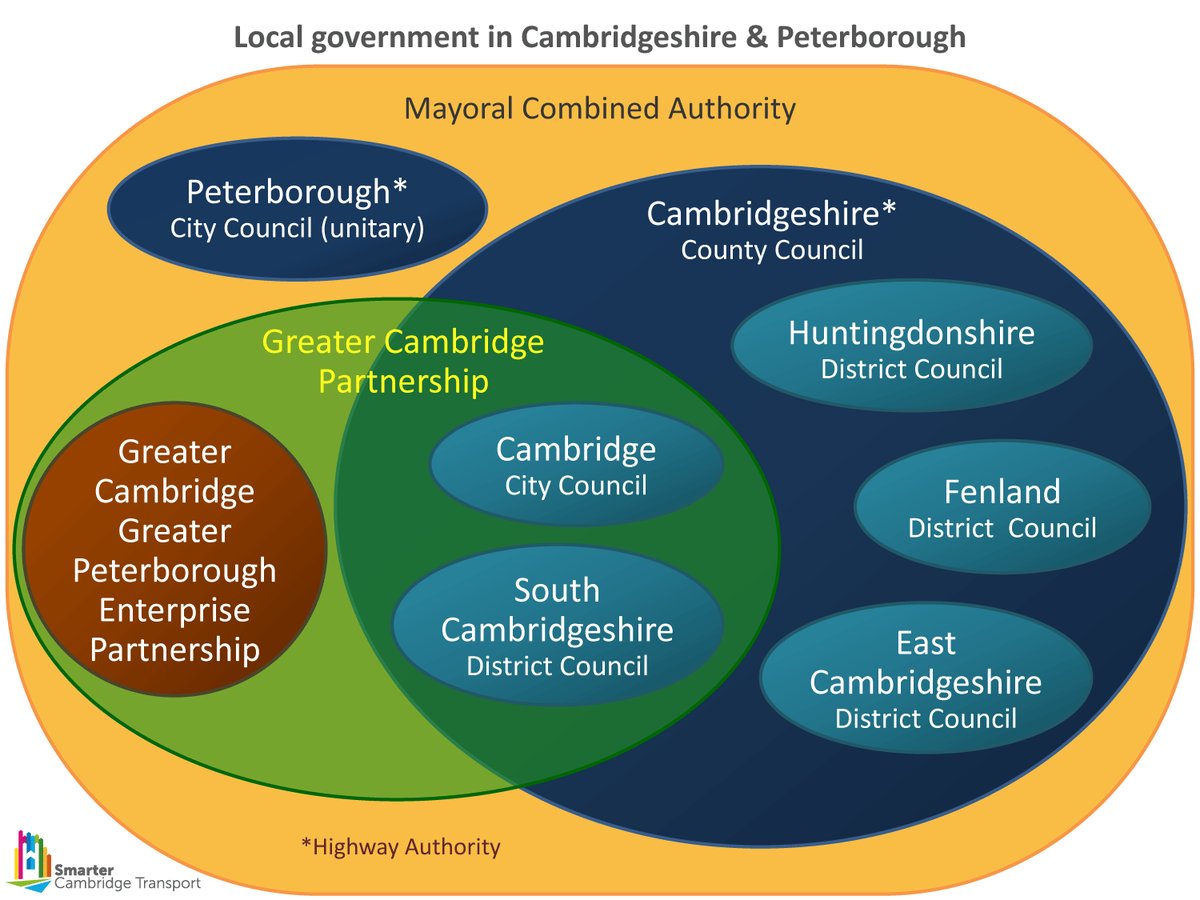
Can the plethora of local government bodies in our area – Cambridge City Council, South Cambridgeshire District Council, Cambridgeshire County Council, Parish Councils, Greater Cambridge Partnership and Cambridgeshire and Peterborough Combined Authority – find a way of working with bus operators to reverse the decline in rural services?
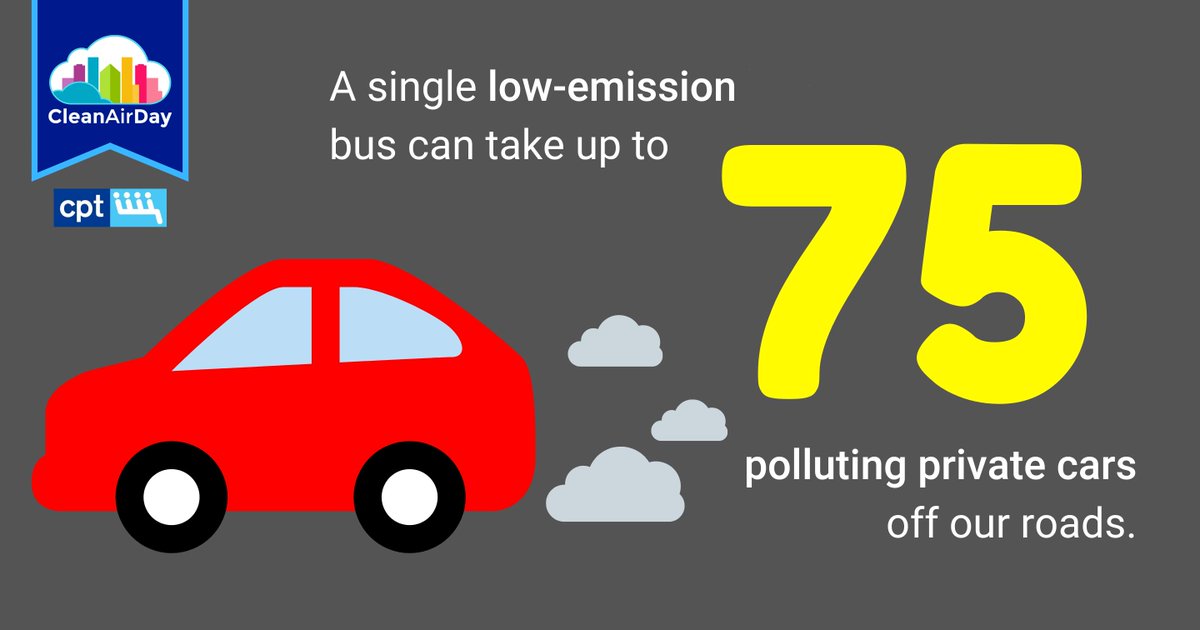
After all, there is a climate emergency, and one bus can take up to 75 cars off the road.
Image, Southern Vectis
Please note that any advertisements which appear in association with these posts are not indicative of any endorsement by Cambridge Area Bus Users. They are placed there by a WordPress algorithm.
Old London buses rejected for being too polluting are ending up on Cambridge’s streets according to members of the Greater Cambridge Partnership Joint Assembly.
A number of councillors present at the group’s meeting on Thursday, June 6, raised concerns as measures to address pollution and congestion were discussed.
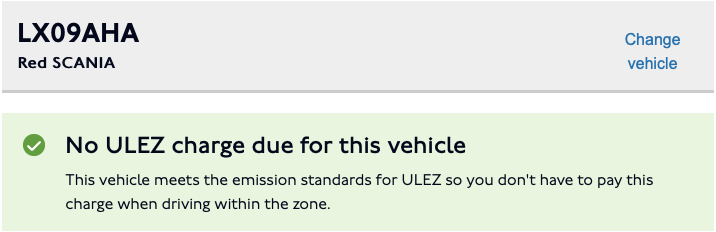
Note: Buses operated under contract to TfL are not exempt from ULEZ charges. Every TfL-contact bus operated in the ULEZ now meets at minimum Euro VI emissions standards. In other words, these ten vehicles meet the latest standards for low NOx PM10 and PM2.5 emissions. They have been retro-fitted for compliance.
So, there are no dirty buses in Cambridge?
Not quite.
Stagecoach Cambridge has a small number of pre-Euro V standard vehicles which will be phased out as the retro-fitted ex-London ULEZ-compliant vehicles are phased in.
Cambridgeshire County Council are part of the problem, see this video of Gary Forbes-Burns, Operations Support Manager at Ascendal Group (Parent of Whippet Coaches) speaking to the Cambridge Area Bus Users Annual General Meeting on 15 June 2019.
One thing which probably does need to be noted, though, is that the latest round of Cambridgeshire County Council tenders specifies that, anything which does not come into Cambridge only has to be level Euro III, anything that came into Cambridge has to be Euro IV. That’s something that’s there that can give a very quick win. And other local authorities are pushing for much higher Euro levels than that. [our emphasis]
Gary Forbes-Burns, Operations Support Manager at Ascendal Group
Which prompted this rejoinder:
Is an individual bus cleaner than the newest car? Yes, some of them are actually.*
Ross Barton, Operations Director, Stagecoach East
Barton is doubtless referring to the tighter testing regimes for heavy Euro VI engines vs the Euro 6 diesel car/van. See below for further details.
It would appear that, despite the Greater Cambridge Partnership (of which Cambridgeshire County Council is a constituent member) wanting to drive up standards for air quality – they are actively considering an ULEZ – the County are undermining the Partnership.
And, yes, we have a confusing plethora of tiers of local governance as this Smarter Cambridge Transport graphic shows.
Air pollution and climate changes
One of the problems we have, when discussing ‘greener’ transport, is the failure to distinguish between cutting the CO2 emissions from all internal-combustion engines (including non-chargeable hybrids) – which add to the ‘greenhouse effect‘ and reducing the NOx PM10 and PM2.5 emissions which cause air pollution.
And don’t forget…
Whilst Cambridge Area Bus Users believes that all major operators, in all regions, need to be trialling electric and hybrid vehicles, the Euro VI diesel bus is still an important part of the solution, according to Professor David Begg.
Begg, visiting professor in sustainable transport at Plymouth University, publisher of Transport Times (a leading UK trade magazine), and running a series of transport related awards schemes in conjunction with Department for Transport (DfT), Transport Scotland and Transport for London (TfL), argues here that the Euro VI bus is an essential part of ULEZs.
Prior to carrying out research on vehicle emissions earlier this year I subscribed to the view that all diesel vehicles should be banned from Clean Air Zones. I now see the latest Euro VI Diesel bus as a crucial part of the solution to our air quality challenge.
If diesel buses are banned from Clean Air Zones bus passengers will experience a reduction in service levels of at least 80%. A reduction of service of this magnitude will not only be disastrous for bus passengers it will also have severe consequences for city economies, road congestion and social inclusion, causing levels of social deprivation to rise by nearly a third.
What surprised me in my research was just how clean Euro VI buses are and the extent to which diesel bus technology has progressed. It’s a pity that car manufacturers have not made the same progress nor inspired the same level of confidence in their vehicles when it comes to emission standards.
Please note that any advertisements which appear in association with these posts are not indicative of any endorsement by Cambridge Area Bus Users. They are placed there by a WordPress algorithm.
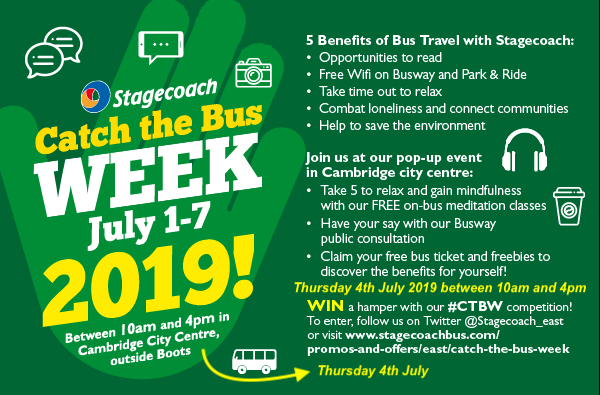
On Thursday 4th July 2019 between 10am and 4pm, Hattie The Community Bus was parked up outside Boots in Cambridge City Centre. Shoppers, city centre workers and passers-by picked up vouchers for free tickets and found out more about bus travel.
From 1st – 21st July 2019 Stagecoach are asking members of the public to give their views on their Guided Busway services. Fill out the survey and give them your thoughts and views. If you take part you could WIN one of three £50 Love2shop gift vouchers! Click here to take part in the survey.
Please note that any advertisements which appear in association with these posts are not indicative of any endorsement by Cambridge Area Bus Users. They are placed there by a WordPress algorithm.
New bus stop signs (commonly called flags) have been erected in Stapleford in Mingle Lane, Gog Magog Way, Haverhill Road and Bar Lane. These have been privately funded and erected by Steve Edmondson a local transport campaigner from Haslingfield with some financial support from Stapleford Parish Council and the help of John Wakefield from Great Shelford. The signs replace old dilapidated or missing ‘flags’ on the route of the number 31 bus service which runs from Cambridge & Addenbrookes via Stapleford and Shelfords to Fowlmere and Barley. Steve has ongoing plans to also replace other bus stop flags in Great & Little Shelford, Cambridgeshire County Council (now the Cambridge & Peterborough Combined Authority) “does not have a budget” to replace bus top flags and timetables!
John Wakefield
Steve Edmondson with the new bus stop flag in Mingle Lane near the church
Messrs Edmondson and Wakefield would also like to replace missing and life-expired timetable-cases.
Whilst major, commercial, operators might reasonably be expected to install and maintain their own bus stop flags and timetables, route 31 is a supported service, run on behalf of the Cambridgeshire and Peterborough Combined Authority by the small, family-run A2B buses. Currently, these supported services are re-tendered quite frequently. Brian Clifford and his staff need to concentrate on running services, not dealing with infrastructure.
John contacted Cambridgeshire and Peterborough Combined Authority’s Mayor Palmer, receiving this reply…
Dear Mr Wakefield, Thank you for contacting me about damaged bus timetable cases in Great Shelford. The Combined Authority does not have a budget to cover such maintenance, however I agree that this is an important issue. With your consent, I will forward your enquiry through my office to the Transport Team at Cambridgeshire County Council in order to ask for further information about their position on the issue. Please let me know if you wish to pursue the matter in this way. Kind regards, James Palmer
If we want to get people out of cars and onto buses, the most basic requirement is to ensure that intending passengers know that there is a bus service, where it stops, and when it runs. The provision of service information is the kind of low-cost ‘quick win’, which the Cambridgeshire and Peterborough Combined Authority’ Bus Reform Task Force, and the Greater Cambridge Partnership’s Better Journeys group should be considering.
Although Steve and John are to be applauded for this excellent volunteer initiative, it seems scandalous that neither the Cambridgeshire and Peterborough Combined Authority nor the Greater Cambridge Partnership are funding this work.
Please note that any advertisements which appear in association with these posts are not indicative of any endorsement by Cambridge Area Bus Users. They are placed there by a WordPress algorithm.
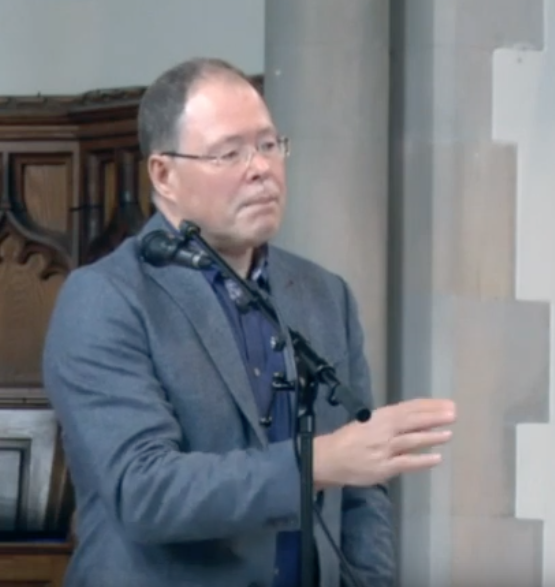
On Saturday 15 June 2019 Cambridge Area Bus Users held their Annual General Meeting and followed it with a public meeting addressed by representatives of two local bus operators and an independent expert, who shared their visions for the future, and answered questions.
Ross Barton, Operations Director, Stagecoach East (Link to video)
Gary Forbes-Burns, Operations Support Manager at Ascendal Group (Whippet Coaches’ parent company) (Link to video)
This was followed with a general question and answer session. (Link to video)
Cambridge Area Bus Users Executive Committee would like to thank community reporter and blogger Antony Carpen (aka A Dragon’s Best Friend) for videoing these addresses and question and answer sessions.
Elections for the Cambridge Area Bus Users Executive Committee were as follows:
Chair: Anna Bradnam
Vice Chair: Wendy Blythe
Secretary: Richard Wood
Treasurer: Richard Cushing
Additional members:
Jackie Cook
Neil Harris
Claire Daunton
Charlotte Cane
All were elected unopposed and confirmed by the meeting, nem con.
Please note that any advertisements which appear in association with these posts are not indicative of any endorsement by Cambridge Area Bus Users. They are placed there by a WordPress algorithm.
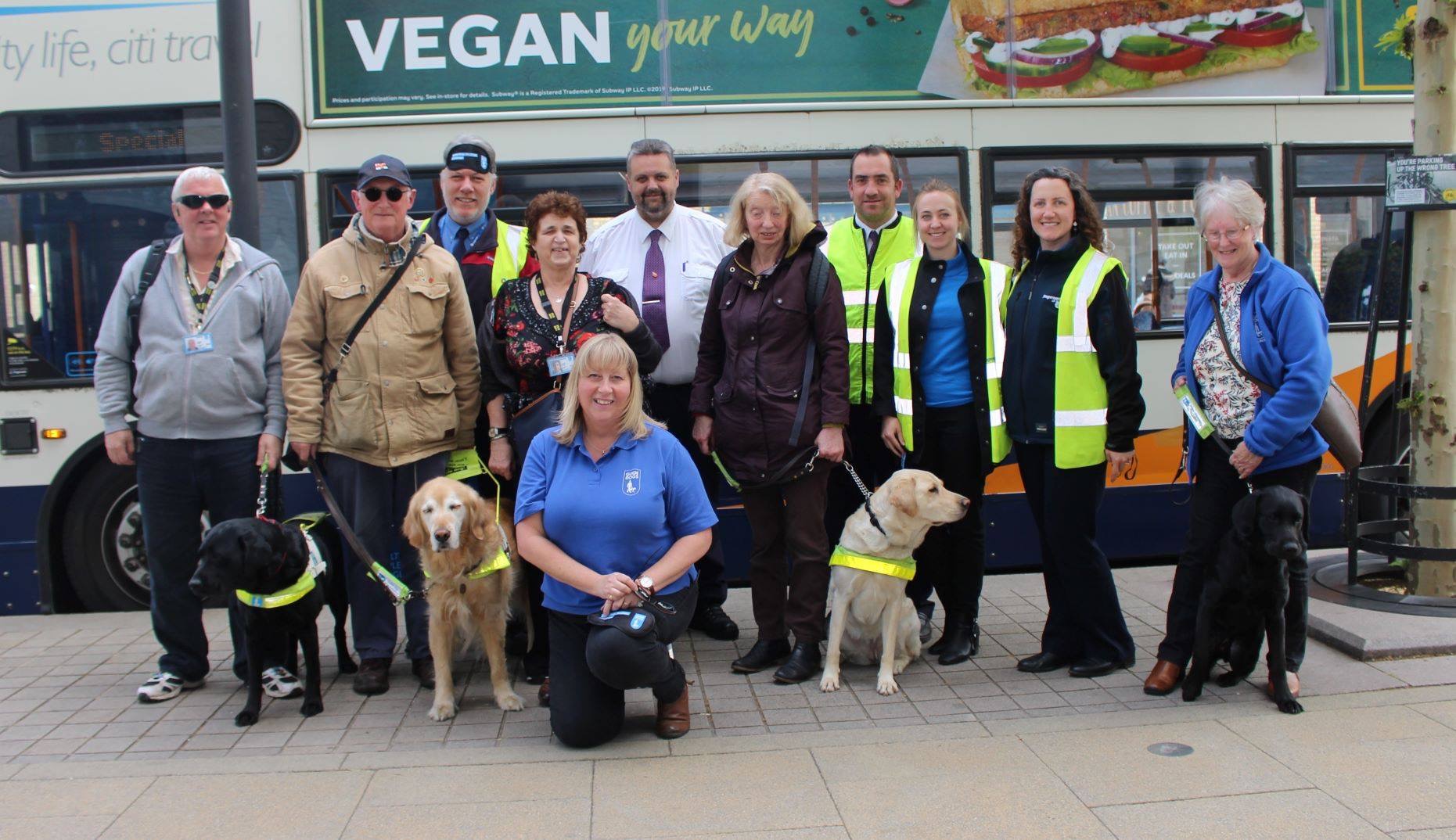
Guiders and guided meet for a blindfold walk. Helen Sismore centre, front
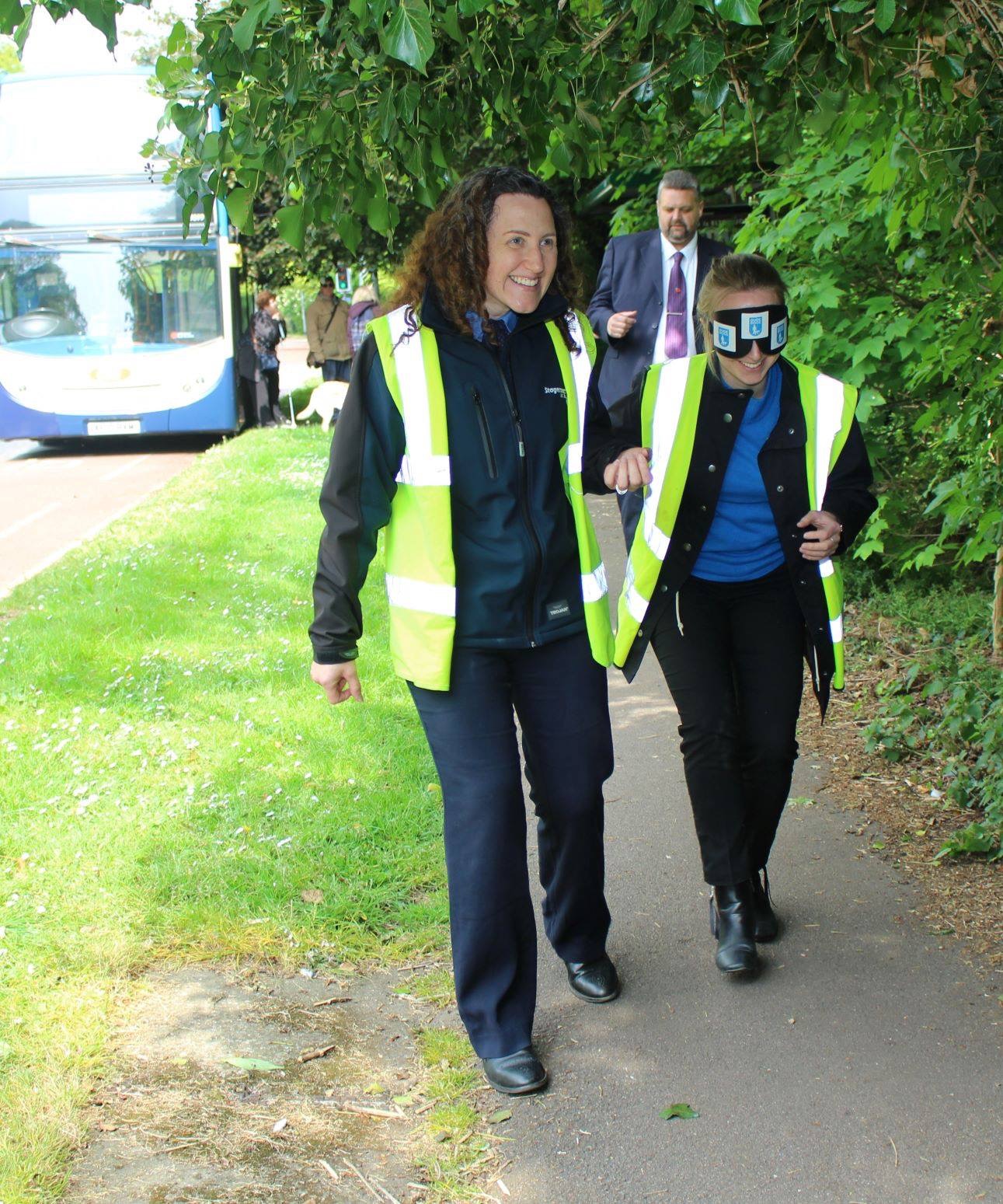
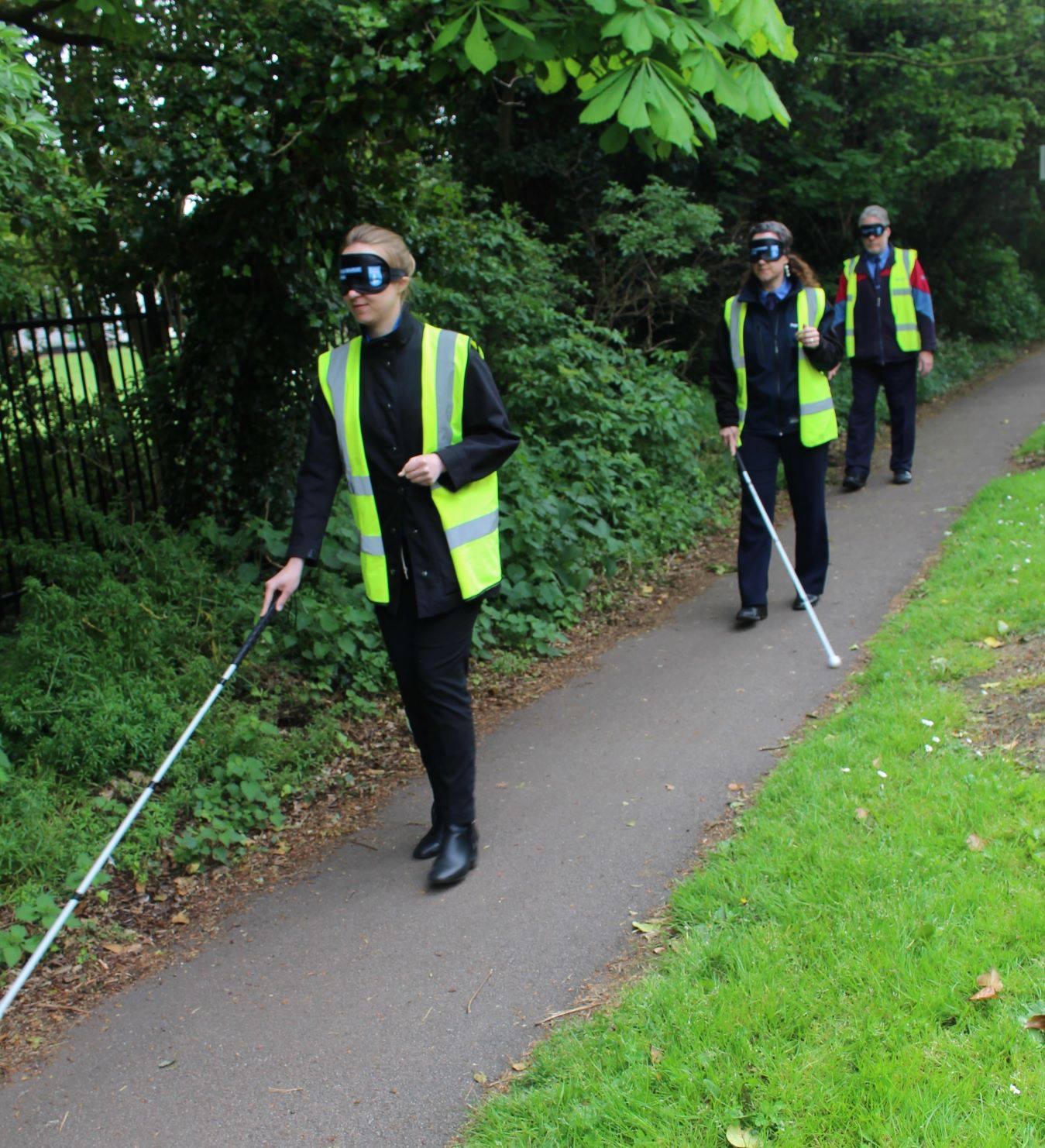
On Tuesday 7th May 2019, four guide dog owners, and Helen Sismore, Guide Dogs Community Engagement, Officer, conducted a blindfold walk with Stagecoach’s Cambridge Operations Manager, Gwen Jones, and four of their trainers.
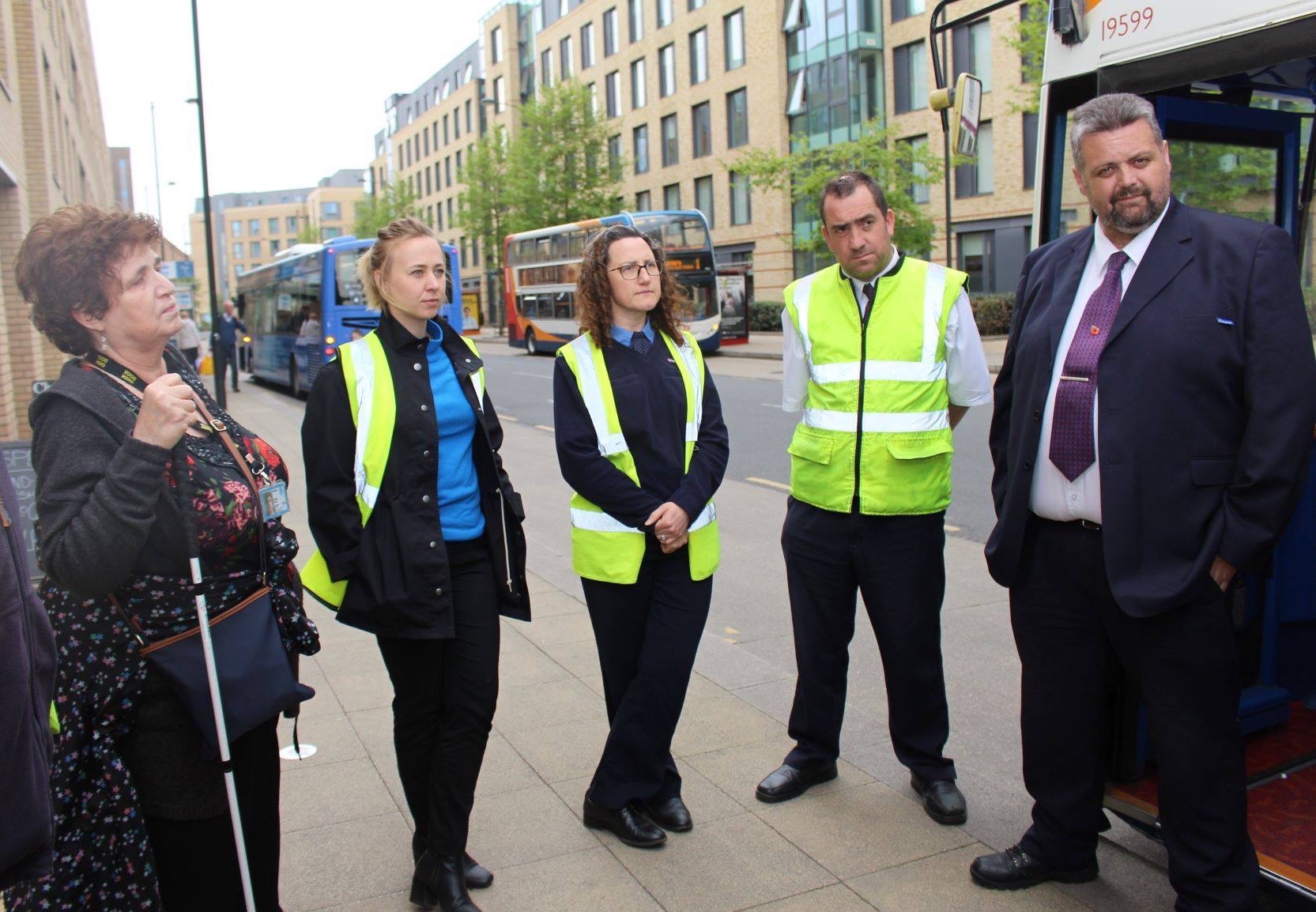
Jackie Cook, left, with Gwen Jones, second left, and the Stagecoach team in a Q&A session
Stagecoach provided a double-decker bus for us and we met at the railway station where we had a Q&A session before boarding the bus. We drove to Trumpington Road where we parked up and did a series of guiding activities.
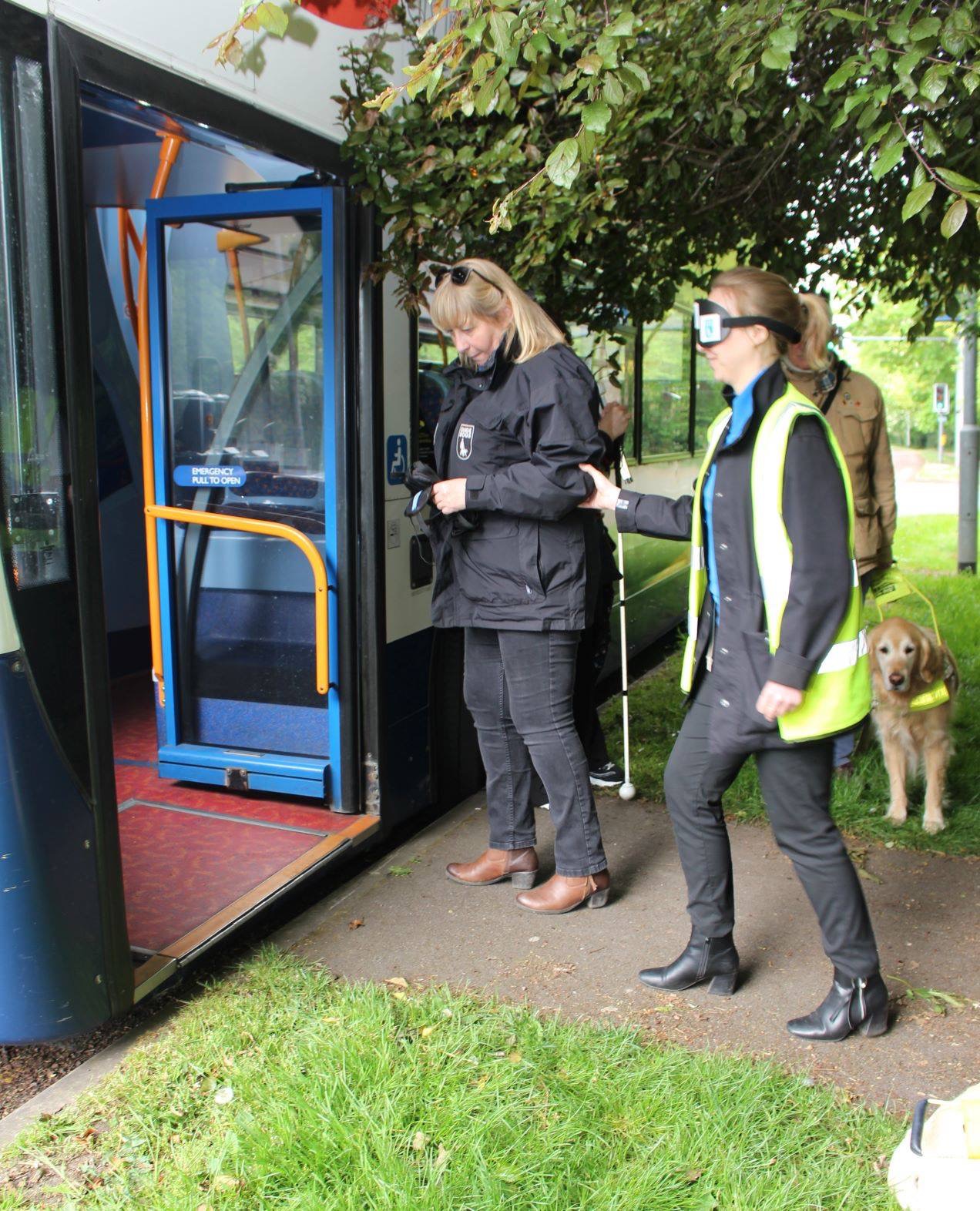
Helen, left, guides Gwen Jones, right, blindfolded, onto the bus
Firstly Helen Sismore, Guide Dogs Community Engagement Officer for East Anglia, who is sighted, guided the Stagecoach team, who were blindfolded, onto the bus. This was followed up by our non-sighted team guiding the (still blindfolded) trainers.
Gwen Jones, right, blindfolded, is guided by a Stagecoach team member
Then the Stagecoach trainers took off their blindfolds to to guide us, or another (blindfolded) member of their team, before taking a walk up and down the road using white sticks. This, I think, they found quite daunting.
Gwen Jones takes the lead in the ‘daunting’ task of navigating with white sticks
Finally we played a little bit of a trick on them, where we all got on the bus sitting in silence, and made them put their blindfolds on and try to find a seat without anybody saying anything. This is something which we have to do daily, with members of public failing to answer us.
We also made them wear blindfolds on the journey back to the railway station, which I think really disorientated them, quite a bit. Again, they experienced what we experience, when we’ve no idea where we’re going, although we often learn routes by twists and turns of the bus and how many speed bumps we go over.
After more questions and answers, the Stagecoach team said they had found it “A real eye-opener, quite scary.” They promised to pass on the information, which we provided them, to future new recruits. Hopefully we can continue to work with them with further meetings.
Jackie Cook Cambridge Guide Dog Forum Co-ordinator Cambridge Area Bus Users Executive Committee Member
Please note that any advertisements which appear in association with these posts are not indicative of any endorsement by Cambridge Area Bus Users. They are placed there by a WordPress algorithm.





 Cambridge Area Bus Users